Picture this: sunrise over the Hudson, coffee in hand, and a skyline view that never gets old. If you’re curious about what daily life feels like near the Hoboken waterfront, you’re not alone. Many buyers from Manhattan and around Hudson County look here for views, outdoor space, and quick commutes. In this guide, you’ll learn how the waterfront lives day to day, how you’ll get around, what to know about housing and flood resilience, and whether it fits your goals. Let’s dive in.
Waterfront life at a glance
Living near Hoboken’s waterfront puts you beside the Hudson River with long promenades, open lawns, and easy access to dining and transit. Buildings range from newer condo towers to loft conversions and townhomes a few blocks inland. You’ll feel a blend of city energy and calm, open views.
Parks, promenades, and recreation
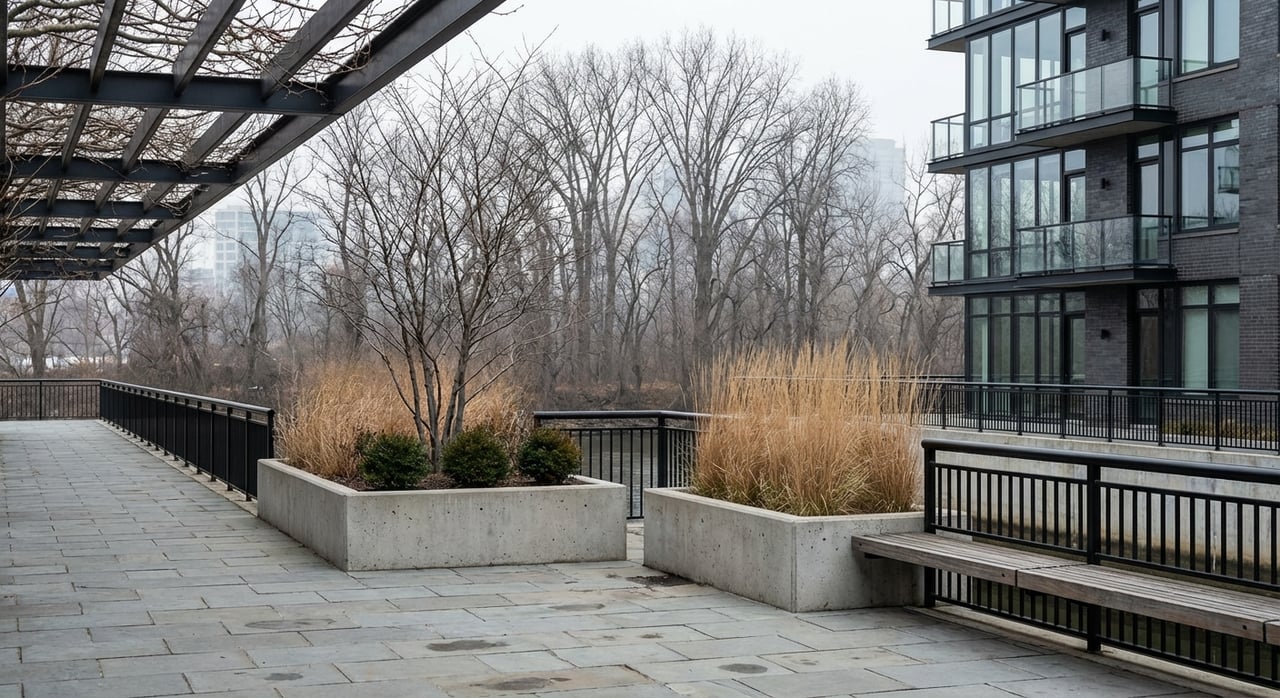
The Hudson River Waterfront Walkway runs through Hoboken and ties together parks, piers, and viewpoints. You can jog, walk, bike, or sit along the river and watch the city light up at dusk. Pier A Park and Sinatra Park are popular for picnics, playground time, and casual sports.
When the weather warms up, you’ll see outdoor fitness classes and community events by the water. Seasonal boathouse programs give you access to paddling on the Hudson through organized community offerings. Many residents build a daily routine around the walkway, whether that’s a morning run or an evening stroll after work.
Dining, nightlife, and everyday shopping
The waterfront offers a mix of sit-down restaurants, cafés, and spots for date night with skyline views. For everyday errands, you’ll find more options a few blocks inland on Washington Street and nearby corridors. That’s where many locals head for groceries, takeout, boutique fitness, and quick services.
At night, the waterfront stays relatively relaxed compared with Washington Street. Think sunset dinners and quiet walks more than late-night crowds.
Seasonality and crowds
The waterfront is highly seasonal. Spring and summer bring festivals, outdoor dining, and busy evenings. Weekends can be lively, especially at popular piers. Winter is calmer, yet the views are still a daily highlight. If you prefer quiet, you might favor buildings set a short walk back from the most active piers.
Getting around: PATH, ferry, light rail, and more
Hoboken is one of the region’s strongest transit hubs. If you commute to Manhattan or around Hudson County, you’ll have options.
The Hoboken Terminal advantage
Hoboken Terminal anchors the south end of the waterfront and connects you to PATH rapid transit, NJ Transit commuter rail, the Hudson–Bergen Light Rail, NY Waterway ferries, and regional buses. For many residents, choosing a home within a comfortable walk of the terminal is a key decision point.
- For PATH routes and connections to Manhattan hubs, review the official PATH service information.
- For commuter rail, bus, and station details, see NJ Transit’s Hoboken Terminal page.
- For ferry options to Midtown and downtown Manhattan, check NY Waterway’s routes and schedules.
Commute realities
Waterfront residents often split between PATH and ferry depending on their Manhattan destination and time of day. Peak-hour crowding is common, and service changes can occur. Many commuters build in flexibility or live close to their preferred mode to reduce uncertainty. Within Hoboken and along the Hudson waterfront, the light rail and buses provide easy connections.
Walkability and bikes
Errands are often walkable, and the waterfront walkway makes biking a simple choice for short trips. Bike-share and private dockless options are common nearby, which helps if you prefer to skip car ownership or only keep one car per household.
Housing near the waterfront
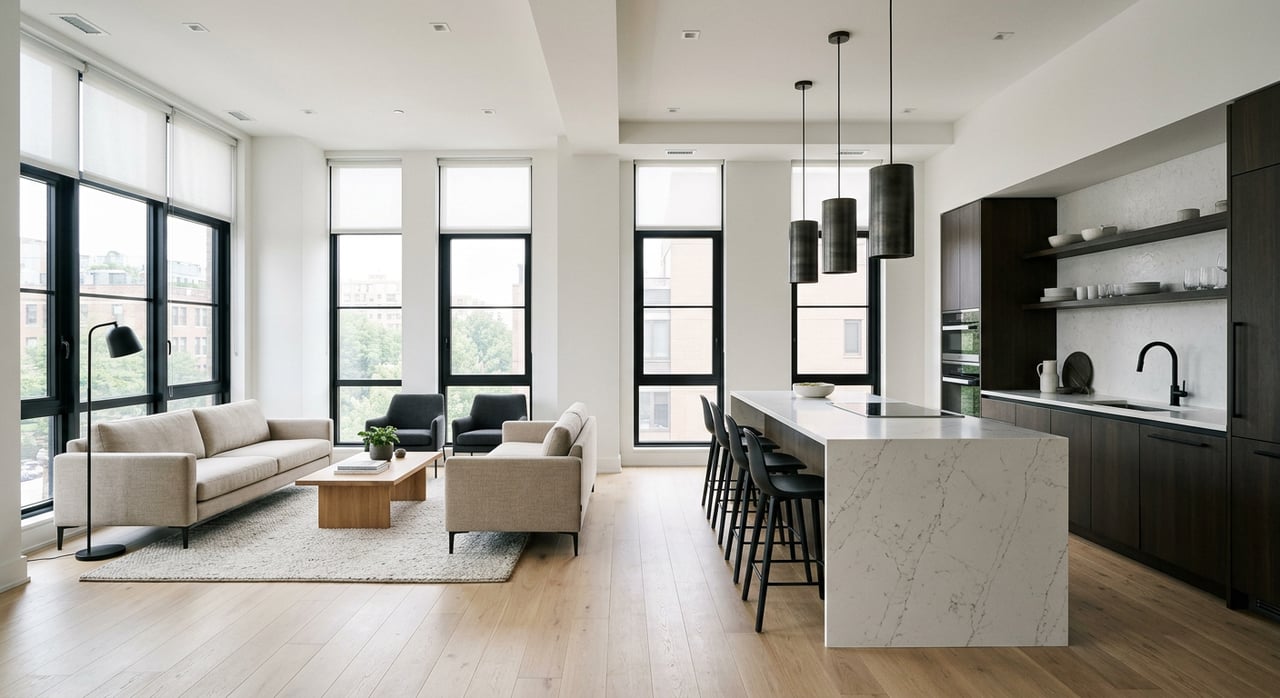
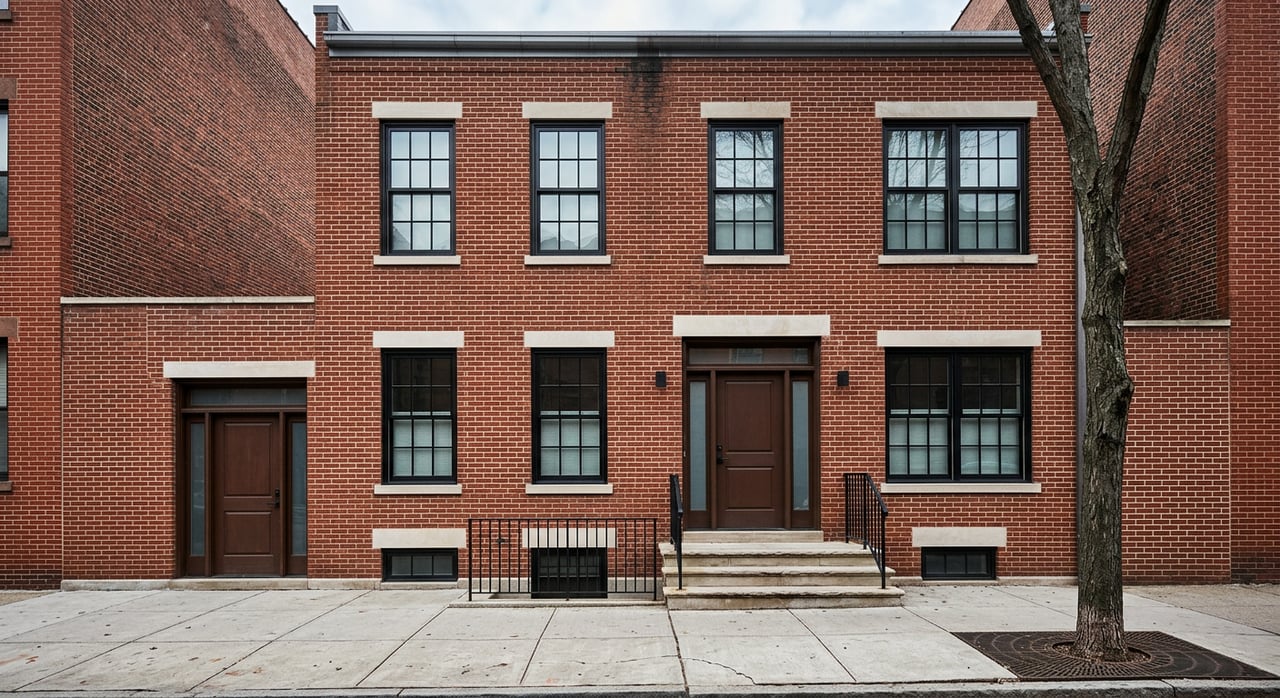
You’ll find a range of homes here, from amenity-rich condo towers and rental buildings to loft conversions and townhouses as you move inland. Most waterfront buildings emphasize views and convenience, which shapes both pricing and monthly costs.
Buildings and amenities
Many newer buildings offer features like doorman service, fitness centers, package rooms, roof decks, and shared outdoor spaces. Expect strong emphasis on skyline views and proximity to parks, the walkway, and transit. Older conversions and townhomes can offer character and potentially different fee structures, though amenities vary by building.
Costs and monthly fees
Waterfront addresses typically command premiums over inland Hoboken locations. If you’re buying a condo, factor in HOA or maintenance fees that support amenities, building upkeep, and sometimes resilience infrastructure. Ask for the HOA’s current budget, reserve balance, and any approved capital projects. This helps you understand near-term expenses and long-term planning.
Parking and car ownership
Many households in Hoboken own zero or one car. Street parking is regulated and can be limited at busy times. Some waterfront buildings offer garage parking for a fee, which can be a deciding factor if you plan to keep a vehicle. If you rely on guests visiting by car, ask about visitor parking policies before you buy or sign a lease.
Flood risk and resilience
Hoboken experienced significant flooding during Hurricane Sandy in 2012, and parts of the waterfront remain within FEMA-designated flood zones. The city has invested in multiple resilience measures that aim to reduce risk, including stormwater and shoreline projects, but no measure eliminates risk completely.
- Review the city’s current projects and approach through the City of Hoboken Office of Resilience.
- Check whether a specific property is within a special flood hazard area by using the FEMA Flood Map Service Center.
If you’re evaluating a building near the water, request the elevation certificate, any flood history disclosures, and documentation on mitigation features. Ask if mechanical systems are located on higher floors, whether there are flood vents or waterproofing improvements, and if the building has emergency procedures for storm events. If insurance is required, confirm coverage and cost before you finalize your budget.
Who loves it here, and why
- Manhattan commuters who want river views and quick access to PATH or ferry often choose the waterfront for convenience and scenery.
- Young professionals value walkability, dining, boutique gyms, and a lively but manageable pace.
- Families appreciate parks, playgrounds, and easy outdoor time. Many choose buildings a bit inland to balance price and activity levels.
- Downsizers often seek amenity-rich condos with simplified maintenance and a front-row seat to the skyline.
The key trade-offs are clear. You gain views, parks, and connectivity, while paying a premium and accounting for flood considerations. Proximity to the terminal is great for commuting, though it can bring more foot traffic. Newer buildings deliver modern features, but monthly fees can be higher than in older properties.
A day in the life near the water
Start your morning with a jog along the walkway or a quick stretch by the piers. Grab coffee on Washington Street, then walk to the PATH or hop on a ferry. After work, meet friends for dinner by the river and watch the sunset over Manhattan. On weekends, bring a book to Pier A Park, attend a seasonal event, or bike the promenade before heading inland for errands and brunch.
A smart touring checklist
Use this list to compare properties and make quick, confident choices:
- Verify the flood zone through FEMA, and ask for the building’s elevation certificate.
- Review HOA financials, reserves, and any approved or upcoming capital projects.
- Ask about parking: assigned garage spots, cost, and visitor policies.
- Test your commute. Time the walk to PATH, ferry, or light rail at peak and off-peak.
- Confirm flood mitigation features and emergency procedures within the building.
- Walk the area during different times to gauge event activity, foot traffic, and construction.
Bottom line
If you love outdoor space, skyline views, and flexible Manhattan access, living near the Hoboken waterfront can be a great fit. You’ll balance premium pricing and seasonal activity with everyday convenience and a strong mix of parks, dining, and transit. A focused search that weighs resilience, fees, and commute details will help you land the right home.
If you want a local guide who knows the buildings, fees, and trade-offs, reach out to Karina Ayubi. Karina pairs hands-on service with Sotheby’s marketing reach to help you compare options, secure a smart deal, and enjoy your move. Let’s Connect.
FAQs
How commuting from the Hoboken waterfront to Manhattan works
- Most residents choose PATH or ferry based on destination and time of day. Peak periods can be crowded, so build flexibility and confirm routes via official sources.
What to know about flood risk for waterfront buildings
- Portions of the waterfront are in FEMA flood zones. Review FEMA maps, request an elevation certificate, and check the City’s resilience projects to understand building measures.
Whether you need a car near the Hoboken waterfront
- Many residents do not. Walkability is high, and transit options are strong, though garage parking is available in some buildings for an added cost.
How busy the Hoboken waterfront gets in summer
- Warm months bring festivals, outdoor classes, and evening crowds around popular piers. Winter is quieter, though views remain a year-round draw.
Where you’ll do everyday shopping and errands
- You’ll find a higher density of groceries, pharmacies, cafés, and services on Washington Street and nearby corridors just a few blocks inland from the water.
What HOA fees often cover in waterfront condos
- Fees typically support amenities, building operations, and resilience features. Request HOA budgets, reserves, and planned capital work to understand true monthly costs.