Thinking about buying your first multi-family in North Bergen but not sure where to start? You’re not alone. With strong renter demand and easy access to Manhattan, small 2–4 unit buildings here can be a smart entry point for building long-term wealth. In this guide, you’ll learn how the local market works, what to buy, how to finance it, and which legal steps to take so your numbers hold up. Let’s dive in.
Why North Bergen works for beginners
North Bergen sits in a high-demand rental corridor with fast commuter access to Hudson waterfront jobs and New York City. The Hudson-Bergen Light Rail’s Tonnelle Avenue terminus and frequent bus and jitney routes make the area convenient for renters and owner-occupants who plan to house-hack. If you want a location that helps keep units filled, this is a practical starting point. You can read more about the local Light Rail connection in the NJ Transit update on new stations in North Bergen.
On pricing, broad home value trackers show typical North Bergen home values in the low to mid 500s, with Zillow’s index around the mid 500k range as of January 2026. Small multi-family buildings list at higher medians than single-family homes, with many recent 2–4 unit listings in the upper hundreds to around one million dollars. That split is normal because income-producing properties are valued differently than single-family homes.
Rents trend high for North Jersey. Average monthly rent across unit types in North Bergen has hovered around the mid 2,600s in early 2026, with many one-bedrooms and two-bedrooms falling in the roughly 2,100 to 2,800 range. These figures help you ballpark gross income on a duplex, triplex, or four-family when you model cash flow.
Investors in Hudson County have commonly seen cap rates in the mid 5 percent range in recent market summaries through 2024 to early 2025. Expect lower cap rates on well-kept buildings near transit and higher cap rates on properties that need work or are farther from core corridors. Your specific returns will depend on unit mix, condition, financing, and how efficiently you operate the building.
What you can buy in North Bergen
Common 2–4 unit types
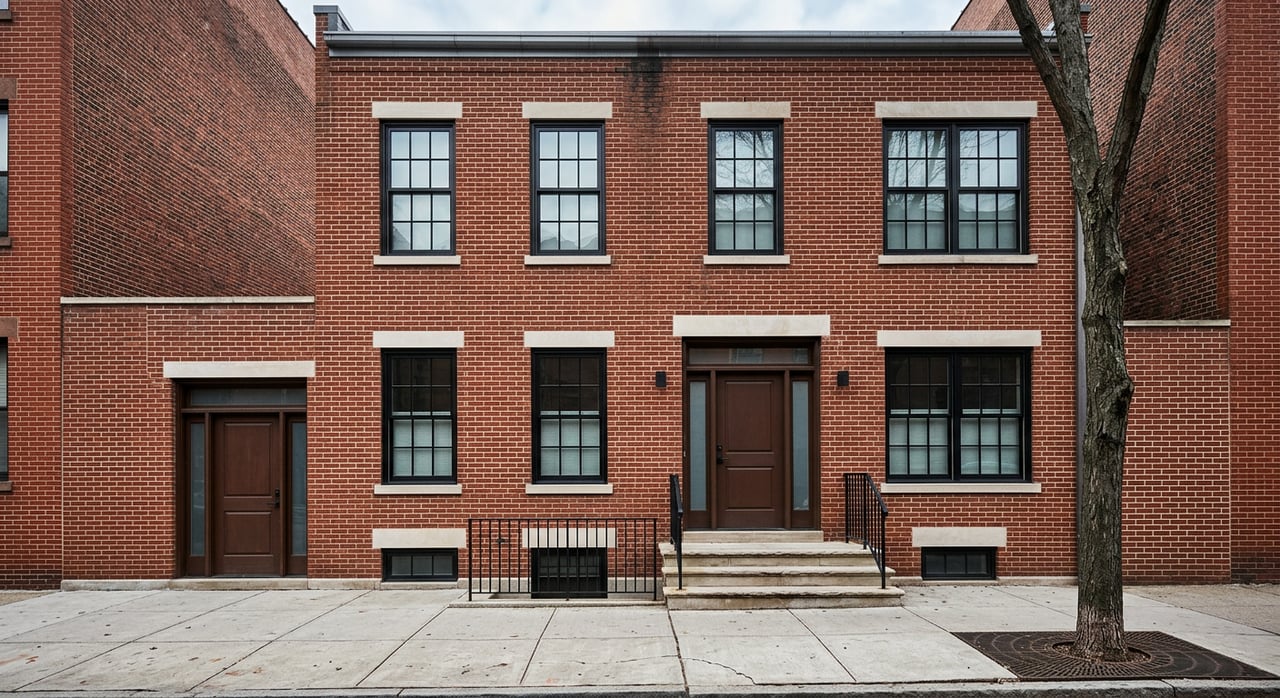
You’ll mostly see classic duplexes, stacked triplexes, and four-family walk-ups. Many buildings are early- to mid-20th century construction, from brick walk-ups to frame homes with basement apartments. Always verify the legal unit count with the township before you fall in love with a layout.
Features renters value
- Separate entrances and separate utility meters are a big plus. They simplify leasing and reduce your monthly expenses.
- One-bedroom and two-bedroom units tend to rent fastest in commuter-friendly neighborhoods, which supports steadier occupancy and fewer vacancy losses.
Condition red flags to watch
- Deferred mechanicals: boilers, water heaters, and older electrical panels can be immediate cost items.
- Envelope issues: roof age, masonry mortar, and signs of moisture in basements.
- Unpermitted conversions: a basement listed as a “bonus unit” can be a deal risk if it is not legal. Confirm the certificate of occupancy and the permitted unit count with the township.
Where inventory concentrates
You’ll often find more multi-unit stock near commercial and transit corridors like Bergenline Avenue, Kennedy Boulevard, and around the Tonnelle Avenue Light Rail area. These locations also attract renter interest due to convenience.
Running the numbers with local context
Estimating income
Use conservative rent assumptions based on current listings and recent leases. As a quick frame of reference, North Bergen’s average rent across unit types was about the mid 2,600s per month in early 2026. If you’re modeling a triplex with two 2-bedrooms at 2,700 each and one 1-bedroom at 2,200, your gross scheduled rent would be about 7,600 per month before vacancy and expenses.
Estimating expenses
- Property taxes: Effective tax rates vary by parcel. Data providers list recent effective rates in the low to mid single digits, with examples around 1.2 percent. Review the actual tax bill for your target property and study its assessment and history. You can explore Hudson County tax data snapshots via ATTOM’s property navigator.
- Insurance: Older buildings and any flood exposure can influence premiums. Get a quote early.
- Utilities: If units are not separately metered, plan for owner-paid utilities or a clear billing strategy. Add a line item for common area electric and water.
- Maintenance and reserves: Older stock often needs steady capital. Set aside a percentage of gross rent for ongoing repairs and larger capital items.
- Professional services: Budget for property management if you will not self-manage, plus legal and accounting support.
Cap rate and cash flow
In Hudson County, small multifamily cap rates commonly cluster in the mid 5 percent range based on recent market notes through early 2025. Your cap rate is net operating income divided by purchase price, ignoring financing. For beginners, target reliable, rent-ready income and realistic expenses first. Then test your cash flow under slightly lower rents and higher rates to see if the deal still works.
Financing basics for 2–4 unit purchases
FHA for owner-occupants
FHA insures mortgages on one-to-four unit properties when you plan to live in one unit as your primary residence. FHA also applies specific income and self-sufficiency rules for 3–4 unit purchases. Review the program details and confirm county loan limits during pre-approval. For an overview of FHA’s one-to-four unit framework, see the Congressional Research Service summary of FHA programs.
Key reminders:
- You must intend to occupy one unit for FHA.
- Lenders may count a portion of market rents toward your qualifying income.
- Expect reserves and careful review of leases, rent rolls, and appraisal assumptions.
Conventional and portfolio options
Conventional lenders also finance 2–4 unit properties for owner-occupants and investors, but terms and down payment requirements differ by product. Owner-occupants often see more favorable rates and lower down payments than investors. Ask each lender how they treat rental income from the other units and what reserves they require.
Your pre-approval checklist
- Confirm how much rental income the lender will count for each unit type.
- Ask down payment and reserve requirements for a 2-unit vs a 3–4 unit purchase.
- Request scenarios for FHA vs conventional on the same sample property to compare monthly cash flow.
- Clarify appraisal expectations if the property has mixed-use elements or coin-op laundry.
Rent-ready improvements that boost returns
Start with safety and code, then reliability, then rent appeal. A simple priority list can keep your budget focused.
- Safety and code: smoke and CO detectors, safe electrical service, proper egress, handrails, and secure locks.
- Mechanical reliability: heating systems, hot water, and plumbing repairs come next.
- Utilities and metering: separate meters where practical, or set clear tenant-billing policies.
- Moisture and structure: address roof issues, masonry repairs, and any basement dampness or mold.
- Kitchens and baths: clean, updated kitchens and bathrooms often deliver the best rent bump.
- Cosmetics and efficiency: paint, flooring, lighting, weatherstripping, and windows for comfort and energy savings.
Document unit condition with photos and a checklist. Prepare a clear, standard lease and plan how you will coexist with tenants if you live on-site.
Legal and municipal steps you should not skip
Confirm zoning and legal units
Before you offer, verify the legal number of units with North Bergen’s building and code enforcement teams. Illegal conversions affect valuation, insurance, and financing. The township posts Planning Board notices and municipal contacts, and you can request the zoning map and permitted uses. Start with the Township of North Bergen Planning Board notices and contact the municipal building at 4233 Kennedy Boulevard to confirm details.
Understand security deposits
New Jersey law caps refundable residential security deposits at one and one-half months’ rent and sets a 30-day timeline to return deposits after lease end, with an itemized statement for any deductions. Special timelines may apply for certain emergencies. For a plain-English summary and statutory references, review the state’s Truth in Renting guidance hosted here: New Jersey Truth in Renting, Security Deposits.
Check local rent rules
New Jersey has no statewide rent control. Some Hudson County cities have their own rent-leveling or rent-control ordinances that vary by building age and unit count. Always confirm whether a property is covered by local rent rules before you go under contract. For a general overview of New Jersey rent control frameworks, see this guide to New Jersey rent control laws.
Permits, C of O, and violations
Ask the township for the certificate of occupancy, open permit records, and any housing code violations. A building with unresolved violations can face fines or delays in financing and refinancing. Getting this information early protects your timeline and your underwriting.
Environmental and lead paint
Much of North Bergen’s small-multifamily stock predates 1978. Follow federal and state rules for lead-based paint disclosures and safe work practices during rehab. Also check flood risk and insurance availability if the property sits in a lower-lying area.
Due diligence checklist for first-time investors
Pre-offer research
- Pull recent comps for 2–4 unit properties and note unit mixes and conditions.
- Review the property’s assessed value, tax history, and any recent changes. Use county-level data snapshots like ATTOM’s North Bergen tax and assessment view to orient, then confirm with official tax bills.
- Call the North Bergen building department to confirm permitted units, past permits, and any open violations. The Planning Board notices page is a helpful starting point for contacts.
Under contract
- Order a full building inspection, including structure, roof, pest, chimney, and HVAC or boiler checks. Verify separate meters.
- Request a rent roll, copies of current leases, proof of security deposits, and a 12-month operating statement if stabilized.
- Engage an attorney for title work and to flag any redevelopment overlays or restrictions.
Pre-close and immediate post-close
- Confirm lender assumptions on rental income and reserves.
- Collect permits and receipts for any recent work.
- Complete safety fixes first and plan tenant communications for a smooth handoff.
Your next step
If you want a practical, numbers-first plan for a 2–4 unit in North Bergen, you do not have to figure it out alone. I help first-time and experienced investors source the right buildings, verify legal unit counts, model realistic cash flow, and navigate lender and township steps with confidence. When you are ready, reach out to discuss a tailored house-hack or investment plan that fits your goals. Let’s get you into the right building, on the right terms, with a clear path from offer to close.
Ready to explore North Bergen multi-family opportunities? Connect with Karina Ayubi to start your plan today.
FAQs
What makes North Bergen good for a first multi-family investment?
- Strong renter demand, commuter transit access via the Hudson-Bergen Light Rail and bus corridors, and a deep pool of 1–2 bedroom renters support occupancy and cash flow.
How much do small multi-family homes cost in North Bergen in 2026?
- Typical single-family values sit in the mid 500k range as of January 2026, while many 2–4 unit listings ask in the upper hundreds to around one million, reflecting income potential.
What rents can I expect for 1BR and 2BR units in North Bergen?
- Early 2026 averages often fall near 2,100 for many 1-bedrooms and around 2,700 for many 2-bedrooms, with an overall town average in the mid 2,600s.
Can I use FHA to buy a 3–4 unit if I live in one unit?
- Yes, FHA insures one-to-four unit loans for owner-occupants and applies a self-sufficiency test on 3–4 unit purchases; review details with your lender and see the CRS FHA summary.
Is there rent control in North Bergen?
- New Jersey has no statewide rent control, and rules vary by municipality; always confirm with the township or local rent board whether a specific property is covered.
What should I check to confirm units are legal before I buy?
- Contact North Bergen’s building and code offices to verify the certificate of occupancy, permitted unit count, open permits, and any housing code violations before you submit an offer.