Wondering what living in Hoboken actually feels like once you look past the skyline photos and waterfront paths? If you are thinking about moving here, it helps to understand the rhythm of daily life, not just the postcard views. From short walks and coffee runs to parks, transit, and housing options, Hoboken offers a compact city lifestyle with a lot packed into a small footprint. Let’s dive in.
Hoboken feels close to everything
One of the biggest things you notice about Hoboken is how compact it is. The city is just 1.25 square miles, and that small size shapes how people move through the day. In many cases, errands, meals, public spaces, and transit are all within a short walk.
That compact layout also supports a highly active street life. Hoboken had a population density of 48,335.2 people per square mile in the 2020 Census, which helps explain why neighborhood blocks feel busy and connected. Instead of planning your day around long drives, you are often planning around a few blocks.
Walkability is part of daily routine
In Hoboken, walkability is not just a perk. It is part of how daily life works. The street grid makes it easy to head out for coffee, stop at a local shop, pick up groceries, or meet friends without turning every outing into a big trip.
Washington Street plays a major role in that experience. The Hoboken Historical Museum describes it as the city’s main artery, where residents gather to shop, eat, and attend parades and festivals. That gives the city a social center, but daily activity is not limited to one corridor.
The Hoboken Business Alliance shows that shops, cafes, restaurants, and service businesses are spread across streets like Bloomfield, Monroe, Washington, and Willow. That means your routine can feel neighborhood-based, even within a dense urban setting.
Transit options support commuter life
For many residents, Hoboken’s location works especially well because of its transit connections. Hoboken Terminal brings together commuter rail, buses, PATH, and ferries in one place. That kind of access can make work commutes and regional travel much simpler.
PATH service connects through Hoboken to both 33rd Street and the World Trade Center. NY Waterway also offers ferry service from the Hoboken / NJ Transit Terminal to Midtown/W. 39th Street, Downtown/Pier 11, and Brookfield Place. If you work in Manhattan or travel around the region often, this transit mix can be a major part of the appeal.
Everyday errands are easy to build in
One reason Hoboken can feel convenient is that everyday needs are woven into the city grid. You are not relying on one shopping center or one destination for the basics. Instead, food spots, service businesses, and retail are distributed across the city.
That setup can make routines feel more flexible. You might grab coffee on one block, pick up lunch nearby, and stop at a service business on the way home. In a compact city, those smaller conveniences add up.
Farmers’ markets also contribute to the weekly rhythm. Hoboken operates three farmers’ markets: downtown at Observer Highway, midtown at Garden Street, and uptown under the 14th Street Viaduct. For many residents, fresh food shopping is simply part of normal neighborhood life.
Libraries and civic spaces add balance
Daily life is not only about restaurants and commuting. Civic spaces matter too, especially if you want places to read, work quietly, or attend community programs. Hoboken’s public library system adds that kind of practical value.
The Hoboken Public Library has a main library at 500 Park Avenue and a Grand Street branch at 124 Grand Street. The branch also offers self-service locker pickup, which can make borrowing materials easier to fit into your schedule. These kinds of resources help round out the city beyond its dining and nightlife reputation.
Parks are woven into the city
A common assumption is that Hoboken’s outdoor lifestyle is mostly about the waterfront. The riverfront is important, but the city’s park network goes much deeper than that. Parks and public space are spread across Hoboken, giving many neighborhoods access to outdoor areas as part of everyday life.
Pier A Park, Pier C Park, and Sinatra Park are some of the best-known names. Pier C Park includes a fishing pier, play area, water play area, and promenade. Sinatra Park includes a kayak launch and an outdoor amphitheater, which adds another layer to how residents use public space.
Beyond the waterfront, you also have Church Square Park, Columbus Park, Elysian Park, Jefferson Park, Jackson St. Park, and Southwest Park. This broader network means outdoor time can fit naturally into daily routines, whether you want a quick break, a place to sit, or room for recreation.
Resiliency parks serve two purposes
Some of Hoboken’s newer parks are especially notable because they do more than provide open space. They also support stormwater management and city resilience. That combination is a practical part of how Hoboken is planning for the future.
ResilienCity Park offers more than five acres of active and passive recreation space and can store up to 2 million gallons of stormwater. Southwest Resiliency Park and 7th & Jackson Resiliency Park also combine public amenities with stormwater mitigation. For residents, that means some green spaces are designed to improve daily life while also serving important infrastructure needs.
Events give Hoboken energy year-round
Hoboken’s personality is shaped not just by buildings and blocks, but by how people use the city together. Community events, arts programming, and seasonal gatherings help create that sense of activity. If you enjoy a place that regularly comes alive in public spaces, Hoboken offers that.
The city’s Cultural Affairs office curates events such as the Arts and Music Festival, Art Month, the Harvest Festival, Movies Under the Stars, the Summer Concert Series, and public art programming. These are not isolated one-off events. They are recurring parts of the local calendar.
The 2026 Spring Arts & Music Festival is scheduled on Washington Street between Observer Highway and Seventh Street and is described by the city as drawing more than 30,000 visitors. The event features two stages and more than 300 artists, makers, crafters, vendors, and local food. That gives you a sense of how central street life and public events are to Hoboken’s identity.
The Hoboken Business Alliance has also highlighted event-driven street life such as First Street Sundays, holiday market series, and the annual Christmas Tree Lighting. Together, these events help make the city feel active beyond the standard workweek routine.
Housing comes in many forms
If you are considering a move, your day-to-day experience will also depend on the type of home and building that fits your lifestyle. Hoboken’s housing stock is dense and varied, which gives buyers and renters a mix of options within a small urban footprint. It is not a one-style housing market.
According to the city’s Housing Element and Fair Share Plan, Hoboken had 30,202 total housing units in 2020. The same report notes that 92.6% of units are in structures of three units or more, and 47.5% are in structures with 20 units or more. That points to a city where multifamily living is the norm.
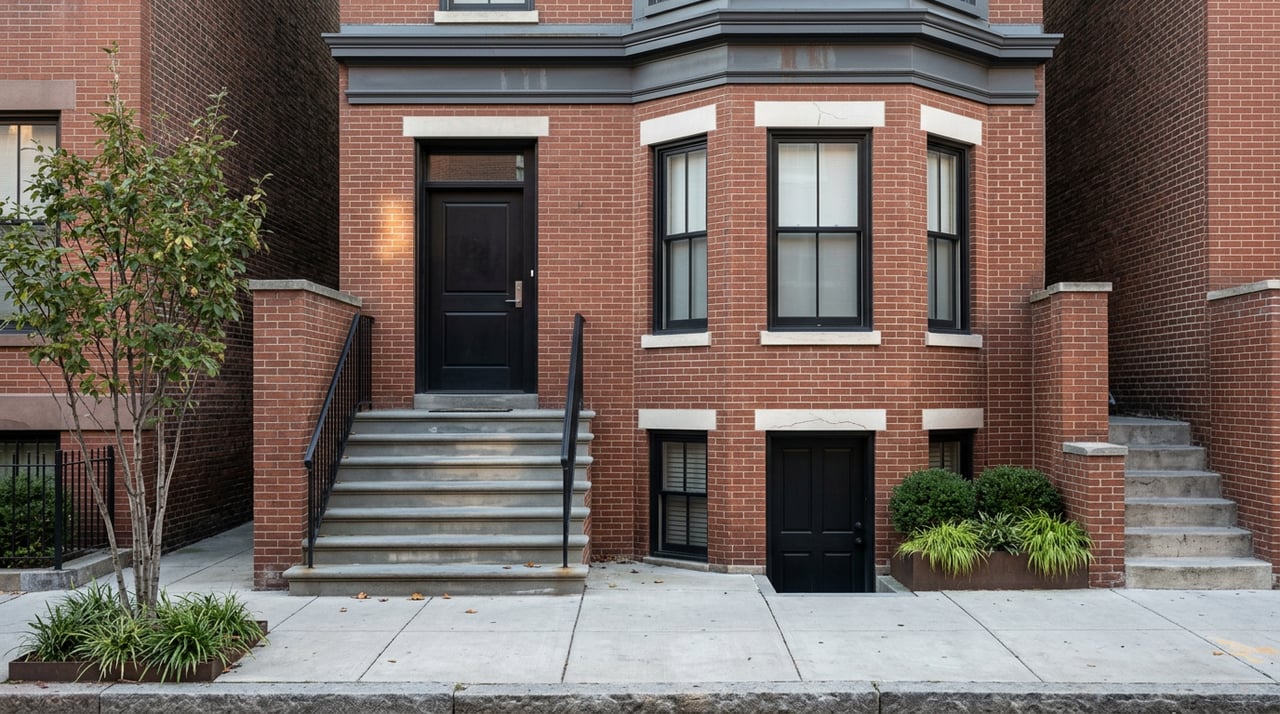
At the same time, the housing stock includes both older and newer properties. About 33.2% of units were built in 1939 or earlier, while roughly one-third were built from 2000 onward. In practical terms, that means you may find anything from older multifamily buildings with historic character to more recent developments with a more modern feel.
Ownership and rental patterns matter
Hoboken also has a strong rental presence. Census QuickFacts reports a 33.8% owner-occupied rate, along with a median owner value of $895,100 and a median gross rent of $2,938. Those figures help show the balance between ownership and renting in the local market.
For you as a buyer, seller, or renter, this mix can affect what inventory looks like and how people use the city. Some residents are looking for a first condo close to transit, while others are comparing newer and older multifamily options. Sellers are often marketing to buyers who care just as much about block-by-block lifestyle and commute patterns as they do about square footage.
What daily life in Hoboken really means
At its core, living in Hoboken means access and routine in a compact setting. You can move through the city on foot, use multiple transit options, spend time in parks across different neighborhoods, and build errands into your day without much friction. That convenience is a major part of what makes the city attractive.
It also means your experience is shaped by more than the waterfront. The local coffee shops, farmers’ markets, library branches, neighborhood parks, and public events all contribute to what life here feels like week to week. Hoboken’s appeal is not only scenic. It is functional, social, and deeply tied to how easily daily life comes together.
If you are exploring Hoboken as your next move, understanding these everyday details can help you choose the right block, building, and lifestyle fit. For local guidance on buying, selling, renting, or investing in Hoboken and across Hudson County, connect with Karina Ayubi.
FAQs
What is daily life like in Hoboken, NJ?
- Daily life in Hoboken is shaped by walkability, short errands, easy access to cafes and shops, a broad park network, and strong regional transit connections.
Is Hoboken, NJ good for commuters?
- Hoboken offers commuter rail, buses, PATH service, and ferries from Hoboken Terminal, with PATH access to 33rd Street and the World Trade Center and ferry service to several Manhattan destinations.
Are there parks beyond the Hoboken waterfront?
- Yes, Hoboken has a citywide network of parks that includes waterfront spaces like Pier A Park and Sinatra Park, along with neighborhood parks such as Church Square Park, Columbus Park, Elysian Park, and Jefferson Park.
What types of housing are common in Hoboken, NJ?
- Hoboken’s housing is primarily multifamily, with 92.6% of units in structures of three units or more, plus a mix of older housing and newer development within the city’s compact footprint.
Does Hoboken have farmers’ markets and public libraries?
- Yes, the city operates three farmers’ markets in downtown, midtown, and uptown areas, and the Hoboken Public Library includes a main branch on Park Avenue and a Grand Street branch.
What makes Hoboken feel different from a waterfront-only city?
- Hoboken’s daily character comes from its walkable street grid, neighborhood retail, distributed parks, civic spaces, and frequent public events, not just its river views.