Buying a brownstone or row house in Hoboken can feel like a dream until you realize these homes come with a different set of rules, responsibilities, and quirks than a typical condo. If you are moving up from apartment living or comparing attached homes with newer townhome-style options, it helps to know what makes these properties unique before you make an offer. This guide walks you through what these homes usually look like, how ownership differs from condo life, and the key due diligence steps to take in Hoboken. Let’s dive in.
What a Hoboken Brownstone Usually Is
In Hoboken, the term “brownstone” often refers to a historic attached rowhouse rather than a home built entirely of brownstone. The city’s historic district survey identifies the masonry rowhouse as Hoboken’s most common historic residential form, shaped by the city’s 19th-century growth. In practical terms, you will often see brick, masonry, or stone façades with brownstone details and classic ornamental features.
Many of these homes share recognizable design elements. Typical details include three-story height, two to three bays across the front, raised basements or garden levels, offset entries, stoops, ironwork, and prominent cornices. The survey also highlights Neo-Grec styling as a distinctive part of Hoboken’s rowhouse character.
What the Layout May Feel Like
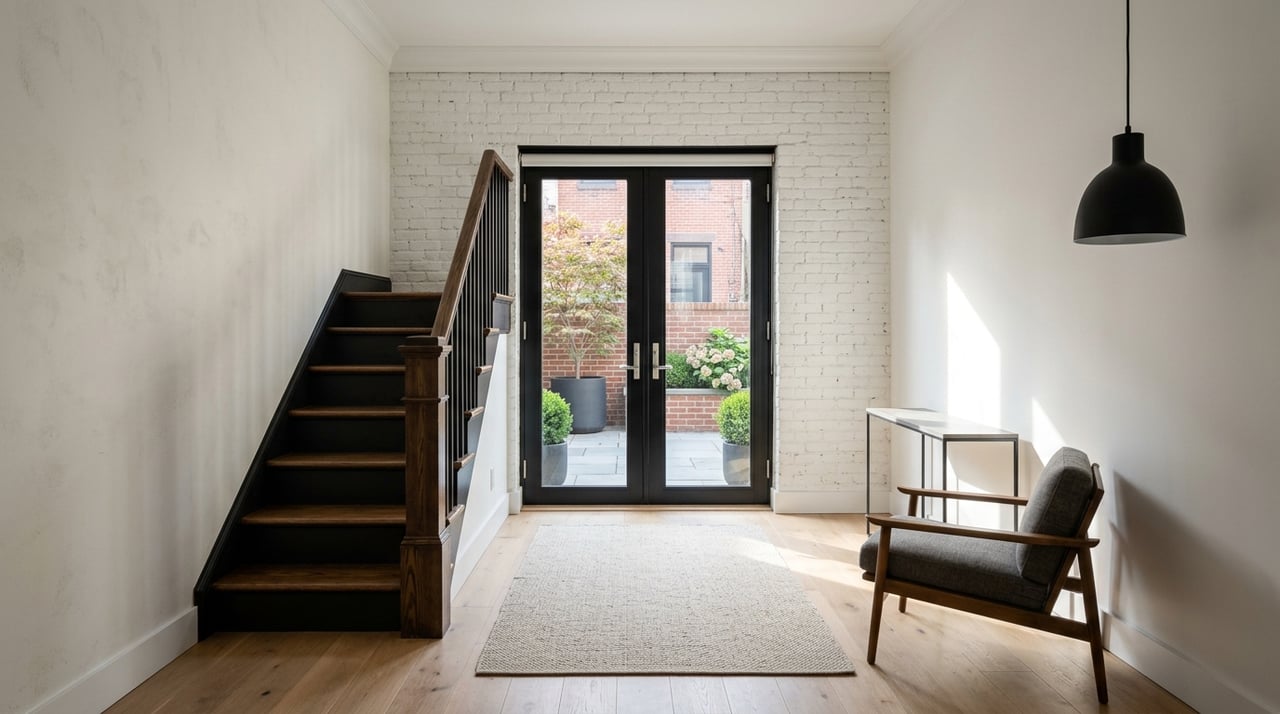
Historic rowhouses often follow a vertical layout that feels very different from a single-level condo. The National Park Service notes that these homes commonly include a side hallway, an open stair, a front parlor or living room, a dining room, and a kitchen at the rear or in a partially below-ground level. Bedrooms are typically located on the upper floors.
That layout can give you more separation between living, sleeping, and entertaining spaces. At the same time, you may find that outdoor space is smaller and more site-specific than what some buyers expect from a suburban home. Rear yards, courtyards, porches, or garden-level areas can vary a lot from property to property.
Row House vs. Condo Living
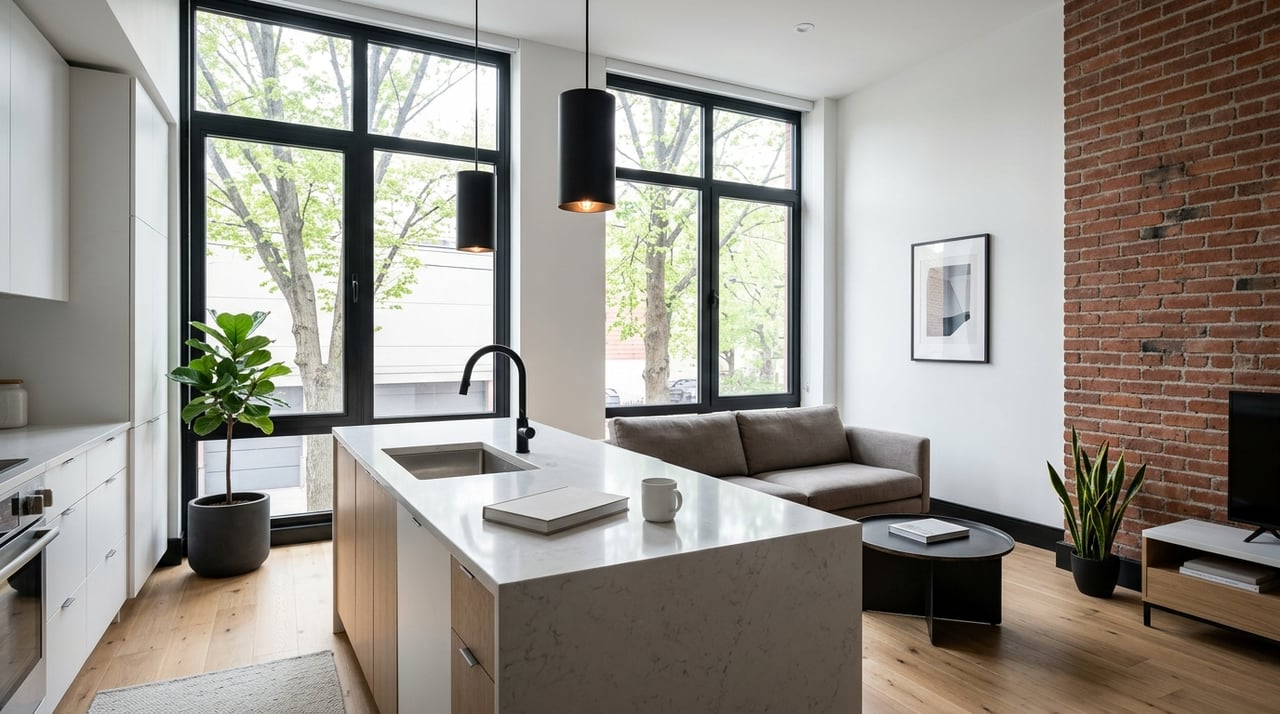
If you are deciding between a Hoboken row house and a condo, the biggest difference is usually control versus convenience. A condo owner typically owns an individual unit while sharing ownership of the exterior and common areas through an association. Monthly condo fees often help cover shared maintenance and repairs.
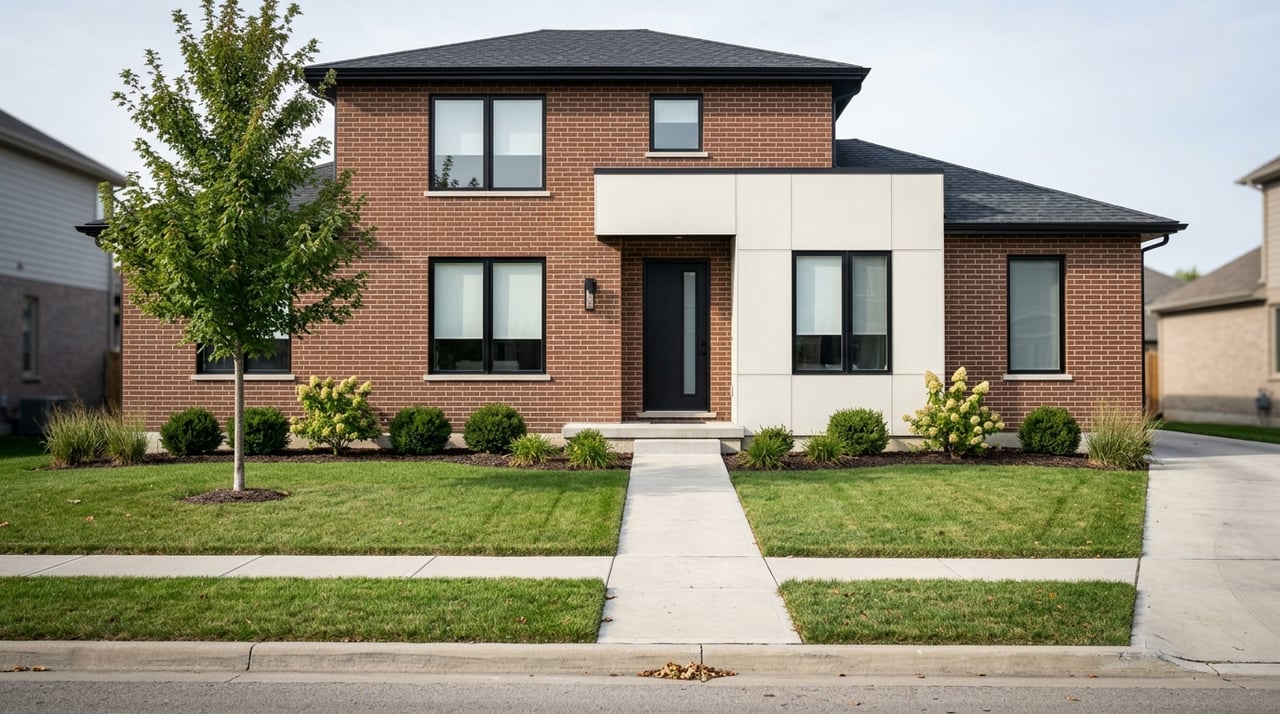
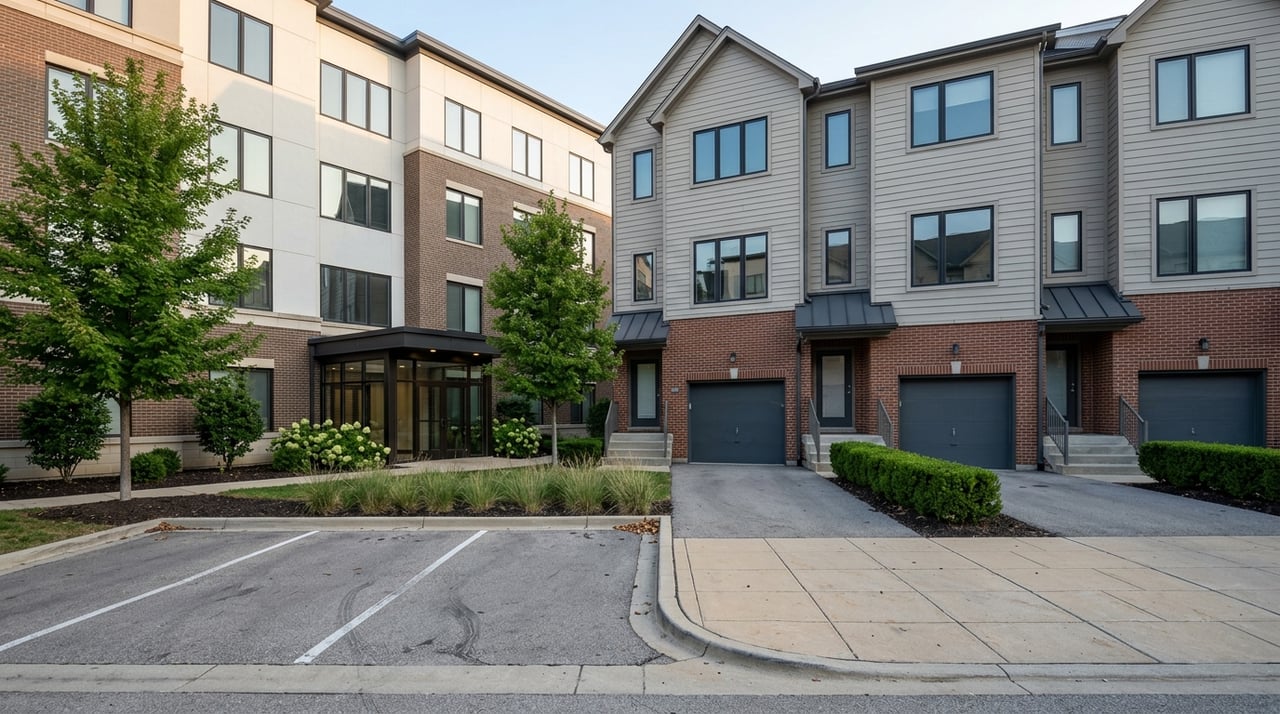
With a row house or townhome-style home, you usually have more privacy, your own entrance, and more direct control over the property. You also take on more day-to-day responsibility for upkeep. That tradeoff matters if you are used to building staff, shared maintenance systems, or an association handling exterior issues.
When a Small Association Changes the Picture
Not every brownstone-style property functions as a fully independent home. Some are condoized or part of a small association, which can affect your costs and what you are allowed to change. If that applies, review the bylaws, reserve funds, special assessment history, allowed modifications, and insurance coverage early in the process.
Those details can shape your monthly expenses and your long-term flexibility. They can also affect mortgage eligibility in some cases. If you are buying a property with shared ownership structure, document review is not a minor step.
Historic District Rules Matter in Hoboken
One of the most important local questions is whether the home is in Hoboken’s local historic district or is a locally designated landmark. In those cases, the Hoboken Historic Preservation Commission reviews exterior additions, renovations, or alterations that are visible to the public. That means you should not assume that changing windows, doors, stoops, railings, or façade elements will be handled like a standard cosmetic project.
This does not mean a historic home is harder to own. It means you need to understand the review process before you plan future work. If preserving architectural character is part of the appeal for you, this may feel like a benefit as much as a responsibility.
Inspection Priorities for Older Attached Homes
A standard home inspection is essential when you buy an older row house. Inspectors commonly review major systems such as electrical, gas, plumbing, roofing, insulation, ventilation, and heating and cooling. The goal is to help you understand the home’s physical condition and the remaining useful life of major components before you make a final financial commitment.
For Hoboken brownstones and row houses, pay close attention to the areas that often matter most in older attached homes:
- Masonry and exterior condition
- Window condition and performance
- Roof age and visible wear
- Basement or lower-level moisture issues
- Mechanical system age and function
If your contract includes an inspection contingency, an unsatisfactory inspection may give you room to renegotiate or cancel. That is one reason it is smart to attend the inspection if possible. Being there can help you better understand the report and ask more informed questions.
Some Issues Need Specialist Follow-Up
A standard inspection does not cover every possible concern. Depending on the property, you may need specialists to evaluate pests, radon, asbestos, mold, lead, or other health and safety issues. Older homes often require a more layered due diligence process, especially if the property has had multiple renovations over time.
This is where a process-driven approach matters. You do not want to discover after closing that a standard inspection left major questions unanswered. If a home raises red flags, deeper review can help you make a clearer decision.
Flood Risk Should Be Part of Your Search
Flood exposure is another Hoboken-specific issue you should evaluate early. The city has documented flooding in basements and homes during major storm events, including Hurricane Ida, and it operates flood warnings and parking restrictions in low-lying, flood-prone areas. For buyers, that makes lower levels, basements, and garden-level spaces especially important to assess carefully.
Flood risk can affect both your comfort level and your carrying costs. It is wise to ask questions early about how the lower level is used, whether water intrusion has been an issue, and how flood exposure could influence insurance decisions. In a market with many attractive garden-level and basement spaces, this is not something to leave until the last minute.
A Smart Due Diligence Checklist
When you are serious about a Hoboken brownstone or row house, it helps to move through a simple checklist:
- Confirm whether the property is in the local historic district or is a landmark.
- Review the home’s exterior condition with extra attention to masonry, windows, roof, and stoops.
- Ask about lower-level use and any history of basement or garden-level moisture or flooding.
- Schedule a full home inspection and attend it if possible.
- Determine whether the property is fully independent or part of a condo or small association.
- If there is an association, review bylaws, reserves, assessments, insurance, and modification rules promptly.
- Consider whether you want the autonomy of a historic home or the shared-maintenance structure of condo living.
These steps can help you compare homes more clearly and avoid surprises after contract.
Is a Hoboken Brownstone Right for You?
For many buyers, the appeal is easy to understand. A Hoboken brownstone or row house can offer character, privacy, vertical living space, and a stronger sense of ownership than a typical condo. Features like stoops, original detailing, and multi-level layouts can make these homes feel timeless and highly personal.
The right fit comes down to lifestyle and tolerance for responsibility. If you want more control and appreciate historic architecture, a row house may be a great match. If you prefer shared maintenance and simpler exterior upkeep, a condo may still be the better option.
Buying a historic attached home in Hoboken is rarely just about square footage. It is about understanding how the building works, what the ownership structure requires, and how local rules may shape your plans. With the right guidance and a careful review process, you can move forward with much more confidence.
If you are weighing Hoboken brownstones, row houses, condos, or townhome-style options, working with a local expert can help you compare properties with the right context. To talk through your goals and next steps, connect with Karina Ayubi.
FAQs
What is a brownstone in Hoboken?
- In Hoboken, many homes called brownstones are historic attached rowhouses with masonry construction and brownstone façade elements or ornamental details, rather than homes built entirely of brownstone.
What is the difference between a Hoboken row house and a condo?
- A row house usually offers more privacy and direct control over the property, while a condo typically includes shared ownership of exterior areas and common spaces, along with monthly fees for maintenance.
Do historic homes in Hoboken need special approval for renovations?
- If the home is in Hoboken’s local historic district or is a designated landmark, exterior changes visible to the public may require review by the Hoboken Historic Preservation Commission.
What should you inspect when buying an older Hoboken row house?
- Key inspection areas include masonry, windows, roof condition, basement moisture, and the age and condition of major systems like plumbing, electrical, and heating and cooling.
Why is flood risk important when buying a Hoboken brownstone?
- Hoboken has experienced flooding in basements and homes during major storms, so lower levels, garden-level spaces, and insurance implications should be reviewed early in your home search.
Can a Hoboken brownstone be part of a condo association?
- Yes, some brownstone-style properties are condoized or part of a small association, so you should review bylaws, reserves, assessments, insurance coverage, and modification rules before moving forward.