Are you deciding between Journal Square and The Heights for your next small multifamily or house‑hack in Jersey City? You want strong rent demand, clear upside, and an exit plan that fits your goals. This guide breaks down who each neighborhood serves, what types of buildings you’ll find, where the value‑add lives, and how typical cap‑rate ranges compare. You’ll walk away with a simple framework to choose the right submarket for your strategy. Let’s dive in.
Quick take: who each area fits
- Journal Square: Transit‑driven demand, newer inventory, strong lease‑up potential, and value through management and finishes.
- The Heights: Low‑rise buildings, larger units, steady family demand, and more classic value‑add opportunities.
- Bottom line: Pick Journal Square if you want commuter demand and newer product. Choose The Heights if you want small multifamily, bigger units, and renovation upside.
Location and transit: demand drivers
Journal Square
Journal Square is a major regional transit hub with PATH service and multiple bus routes. That access draws Manhattan commuters, shift workers, and students who value fast trips and frequent service. Ongoing redevelopment discussions and transit orientation help support renter interest.
The Heights
The Heights is a more residential, elevated area north of Journal Square. Transit is available by bus and nearby light rail connections, though there are fewer large transit nodes within the neighborhood. Commute demand remains strong, but the feel is more neighborhood‑oriented.
Renter profiles and turnover
Journal Square tends to attract younger renters, commuters, and students who prioritize proximity to transit and newer buildings. You may see higher turnover, especially in studios and one‑bedroom units. Management and leasing strategies matter here.
The Heights draws a more mixed tenant base including families, small households, and owner‑occupiers. Demand is often steadier for 2‑plus bedroom units. Tenancies can be longer, which can reduce turnover costs.
Building types and unit mix
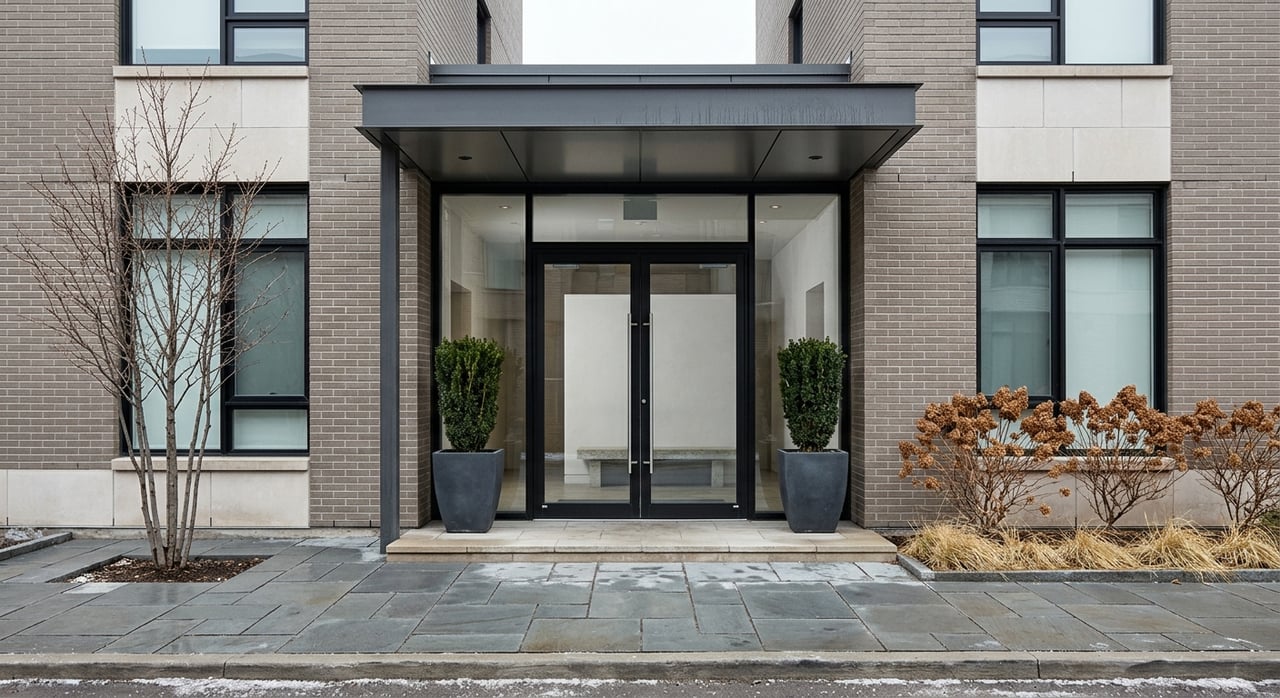
Journal Square has more mid‑ and high‑rise apartments, condos, and mixed‑use buildings. The unit mix often skews to studios and one‑bedrooms. Many properties are newer or recently renovated, which can limit heavy rehab upside.
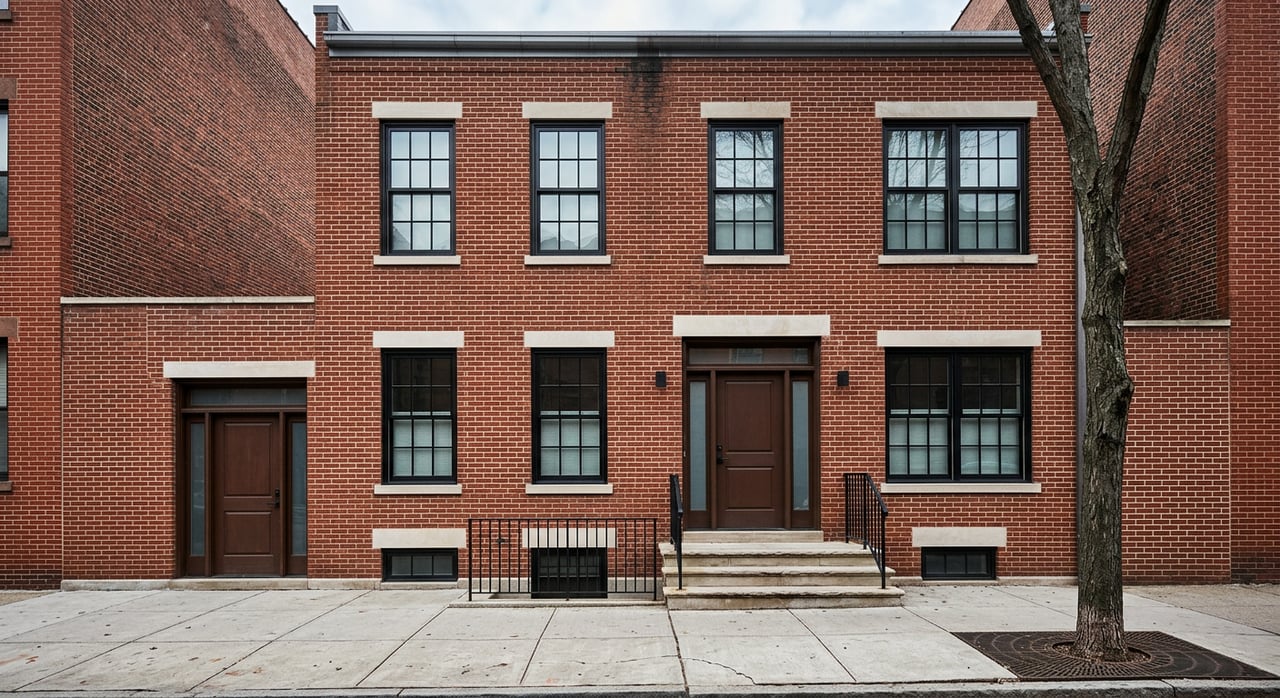
The Heights is dominated by low‑rise walk‑ups, 2–4 unit pre‑war buildings, brownstones, duplexes, and single‑family homes used as rentals. Larger units are common, and in some cases accessory or basement apartments may be possible if allowed by zoning and code.
Value‑add potential and costs
Value‑add looks different across these neighborhoods. In The Heights, classic improvements like kitchen and bath refreshes, flooring, lighting, and adding in‑unit laundry can move the rent needle. In select situations, reconfigurations or legalizing accessory units may be possible if zoning and occupancy rules allow.
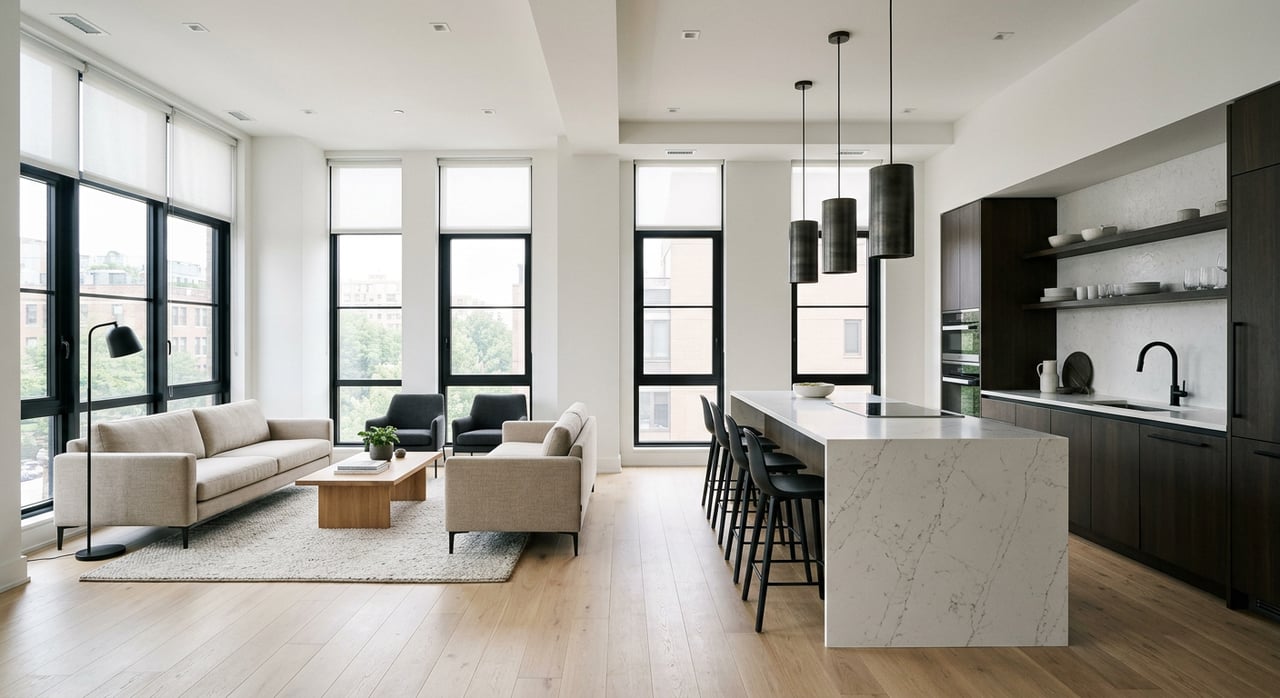
In Journal Square, heavy renovations are less common due to newer product. Your upside often comes from modern finishes, smart‑home tech, amenities like laundry, and improved marketing and management. Condo conversions can be complex and are influenced by municipal rules and market supply.
Typical renovation ranges vary by scope and unit size. A light cosmetic refresh often costs in the low thousands per unit. A mid‑level rehab, such as kitchen and bath updates with appliance and flooring upgrades, can run from the mid‑$10k to mid‑$30k per unit. A gut rehab can exceed $40k per unit in many urban markets. Always get local contractor bids and account for code upgrades.
Operating numbers and cap rates
How to read cap rates
Cap rate equals net operating income divided by purchase price. It is a snapshot, not a full investment decision. Cap rates vary by building size, condition, unit mix, tenant quality, and micro‑location. Small 2–4 unit trades often price differently than larger assets.
Typical cap‑rate ranges
Across Jersey City small multifamily markets in recent years, cap rates have often been in the mid‑single digits. For a high‑level comparison:
- Journal Square: roughly 4.0% to 5.5%.
- The Heights: roughly 4.5% to 6.5%.
These ranges are illustrative and depend on comps, property condition, financing costs, and buyer demand. Always validate with current closed sales and rent comps.
Underwriting assumptions to test
- Vacancy and collection loss: 5% to 8% in strong submarkets. Use the higher end for older assets or smaller studio stock.
- Expenses: Confirm property taxes, insurance, utilities responsibility, and maintenance. Flood insurance may apply based on location.
- Turnover: Expect higher turnover for smaller units in Journal Square, and longer tenancy for 2‑plus bedroom units in The Heights.
Financing paths for small investors
House‑hack friendly loans
If you occupy a unit in a 2–4 unit property, you may access owner‑occupant financing with lower down payments and better rates. Options can include FHA or VA for eligible borrowers, and conventional owner‑occupant loans.
Investor loans
For non‑occupant investors, conventional loans commonly require 20% or more down. DSCR and portfolio lenders can be options if you prefer asset‑based underwriting.
Rehab financing
For projects that need work, owner‑occupants can explore FHA 203(k) or Fannie Mae HomeStyle. Investors can use renovation lines, construction loans, or bridge options. For condos, check project approval, HOA rules, and any rental restrictions.
Sample deal playbooks
The Heights house‑hack
- Asset: A 3‑unit building where you live in one unit and rent the other two.
- Financing: Owner‑occupant mortgage with a lower down payment. Consider a rehab allowance for kitchens, baths, and in‑unit laundry.
- Plan: Stabilize rents, improve finishes and functionality, and target family‑sized units.
- Exit: Hold for cash flow, refinance after stabilization to pull equity, or sell to an owner‑occupant or small investor.
Buy and rehab in either area
- Asset: A 4‑unit building priced below newer product.
- Financing: Conventional investor loan with 20% to 25% down or a portfolio lender, paired with a rehab line.
- Plan: Upgrade finishes, add amenities like laundry, and improve management to increase effective rents.
- Exit: Refinance once stabilized or sell to a buy‑and‑hold investor. In Journal Square, assets near transit often draw a wider buyer pool.
Risks and local checks
Flood, policy, and parking
Parts of Jersey City fall within FEMA flood zones. The Heights sits at a higher elevation, which can lower flood risk, but always verify at the parcel level and confirm insurance quotes. Jersey City has rental licensing and inspection requirements, as well as local landlord‑tenant rules that may impact cash flow and leasing. Parking is limited in both areas and can influence rent and tenant profile.
Renovation constraints
Older housing may have lead‑paint concerns, so plan for compliance. Zoning, building code, and occupancy limits can prevent adding units or converting basements. Historic properties may require specific approvals. Confirm rental registration status and any Certificates of Habitability needed before leasing.
Exit planning and timelines
Hold time strategies
- Shorter hold, about 2 to 5 years: Renovate and sell when pricing supports it, especially near transit corridors.
- Medium hold, about 5 to 10 years: Stabilize, refinance to extract equity, and hold for cash flow and appreciation.
- Long hold, 10 years or more: Build a rental portfolio for income and tax advantages.
Exit routes by area
Journal Square can attract institutional and private buyers focused on transit‑oriented assets, along with owner‑occupying condo buyers. The Heights often appeals to owner‑occupants and local investors who value neighborhood character and small multifamily stock.
Milestones to revisit your plan
- Stabilized NOI and rent roll at market levels.
- Reaching your target cash‑on‑cash return or IRR.
- Shifts in cap rates, new infrastructure, or policy changes that affect value.
Due diligence checklist
- Property documents: Rent roll, leases, occupancy history, turnover records.
- Physical: Roof, mechanicals, electrical, plumbing, HVAC, exterior and common areas.
- Compliance: Rental registration, Certificate of Occupancy or Habitability, open violations.
- Environmental: Lead‑paint considerations for pre‑1978 homes; flood zone and elevation certificates.
- Market: Recent sales comps, listed supply, rent comps by unit type.
- Regulatory: Zoning and permitted uses; any planned rezonings or public projects nearby.
- Financial: Property tax assessments, insurance quotes, utility responsibilities, and maintenance budgets.
- Team: Local brokers for comps, municipal planning and licensing contacts, reputable contractors, and lenders experienced with 2–4 unit, condo, and rehab loans in Hudson County.
How to choose between them
Start with your strategy. If your plan relies on fast lease‑ups, smaller units, and amenity‑driven rents, Journal Square often fits. If you want to house‑hack or target 2–4 unit buildings with larger floor plans and classic renovation upside, The Heights is a strong match.
Next, pressure‑test the numbers. Underwrite with a realistic vacancy factor, confirm taxes and insurance, and get actual rent comps by unit type. Model a refinance path if that is part of your exit. Finally, walk the blocks at different times of day, review licensing requirements, and verify any flood exposure before you write an offer.
If you want a local partner to help source, underwrite, negotiate, and manage the roadmap from offer to close, reach out to Karina Ayubi. You’ll get boutique guidance backed by premium marketing and deep Hudson County expertise.
FAQs
What are the key differences for investors between Journal Square and The Heights?
- Journal Square leans transit‑oriented with more studios and one‑bedrooms, while The Heights features low‑rise 2–4 unit buildings and larger floor plans that suit value‑add and house‑hacking.
How do typical cap rates compare in these Jersey City submarkets?
- Illustrative ranges have been roughly 4.0% to 5.5% in Journal Square and 4.5% to 6.5% in The Heights, with actual results driven by comps, condition, and financing.
Where is rental turnover usually higher in Jersey City small multifamily?
- Turnover tends to be higher in smaller units like studios and one‑bedrooms, which are more common in Journal Square; larger units in The Heights often see longer tenancy.
What renovation upside is most realistic for small investors in The Heights?
- Cosmetic updates, kitchen and bath refreshes, in‑unit laundry, and selective reconfigurations can add value, subject to zoning, code, and occupancy rules.
How should I think about flood risk when underwriting in Jersey City?
- Verify the property’s FEMA flood zone and insurance requirements early; flood exposure can affect premiums, lending, and tenant demand.
What financing paths work for a house‑hack in Jersey City?
- Owner‑occupant loans for 2–4 unit properties, such as FHA or conventional options, can offer lower down payments and better rates, with rehab options like 203(k) to fund improvements.