Thinking about a 2 to 4 family home in Union City to jumpstart your rental portfolio or offset your mortgage? You are not alone. Small multifamily near New York City can offer steady demand, but your returns depend on the details. In this beginner-friendly guide, you will learn what counts as a 2 to 4 unit, how to estimate rents and vacancy in Union City, what expenses to expect, how financing works for owner-occupants, and how to run simple ROI and cap rate numbers. Let’s dive in.
What counts as 2 to 4 family
A 2 to 4 family is a small multifamily building with two, three, or four separate residential units on one legal parcel. You can live in one unit and rent the others, or rent all of them. These properties are popular with first-time investors and house-hackers because they blend residential financing options with income potential.
Union City property types
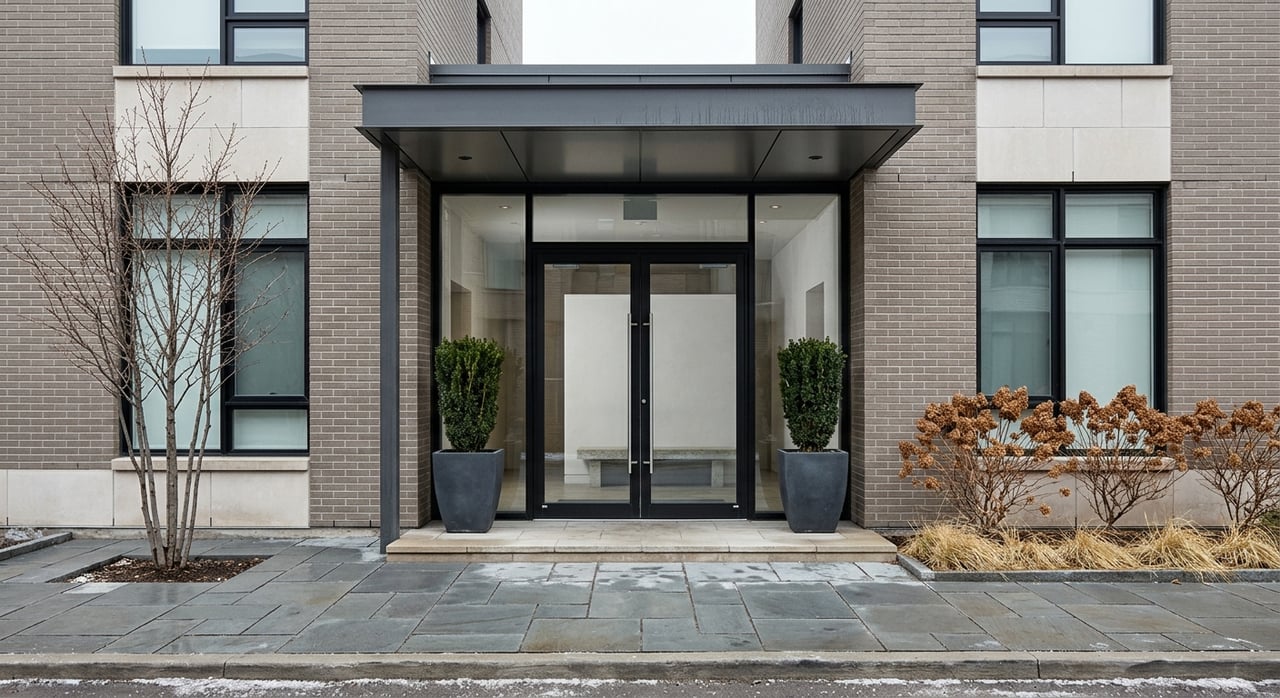
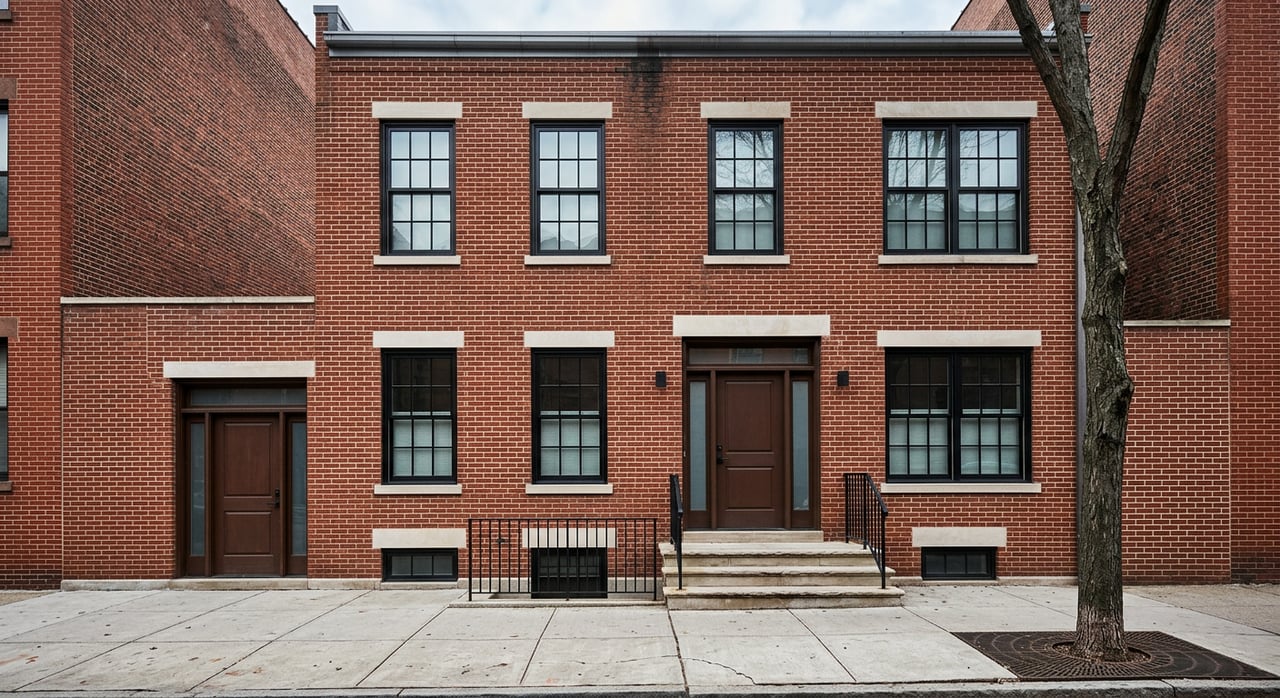
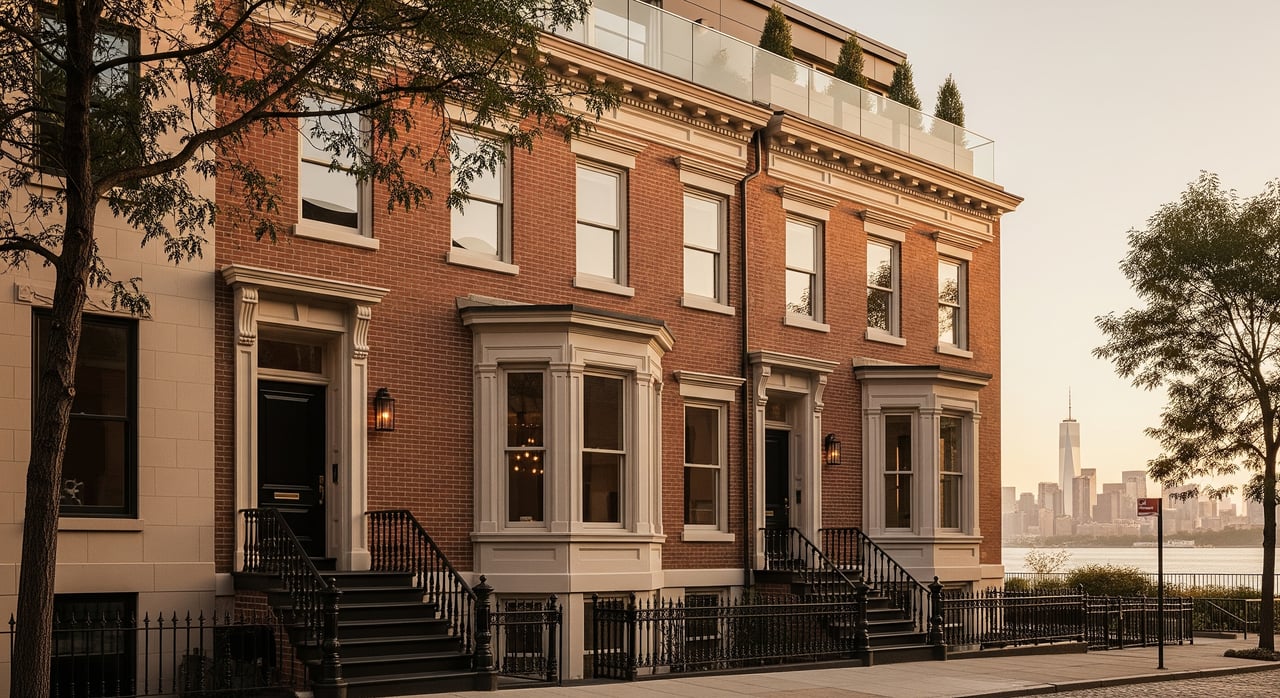
In Union City, you will commonly see duplexes, triplexes, and fourplexes. Many are low-rise masonry or wood-frame buildings on compact lots with street-facing stoops. Some were converted from single-family homes over time. Mixed-use buildings with retail on the ground floor and apartments above exist, although they are less common for pure 2 to 4 unit purchases.
Typical unit mixes and layouts
Unit mixes often include 1 bed and 1 bath or 2 bed and 1 bath apartments. Some buildings have a larger 3 bed unit. Sizes vary by building, but smaller footprints are common in dense urban areas near New York City. Smaller units can command higher rent per square foot, but they may require more hands-on management due to turnover and repairs.
Transit and demand signals
Properties close to core bus routes and PATH access points typically see stronger demand and lower vacancy. In Union City and nearby Hudson County towns, convenience to commuting corridors is a major driver of rent and absorption.
Rents, vacancy, and expenses in Union City
Estimating income and expenses accurately is the heart of your underwriting. Use conservative assumptions and verify each input.
Market rent ranges
For mid-2023 to mid-2024 context, Union City apartments often trade in these broad ranges:
- 1 bedroom: roughly 2,000 to 2,800 dollars per month
- 2 bedroom: roughly 2,600 to 3,600 dollars per month
- Larger or renovated 3 bedrooms can be higher
Treat these as screening ranges. Pull current comps before you finalize assumptions. Use the building’s rent roll, recent leases on MLS, and input from local managers to validate your numbers.
Vacancy and credit loss
Urban New Jersey markets near New York City have historically shown low to moderate vacancy. For stabilized small multifamily in Union City, many underwriters use a vacancy and credit loss allowance between 5 and 8 percent of gross scheduled rent. If the building has a history of turnover or deferred maintenance, consider a higher allowance in the 8 to 12 percent range until it is stabilized.
Operating expenses to plan for
Budget for property taxes, insurance, utilities you might pay, repairs and maintenance, property management, landscaping and snow removal, marketing and turnover costs, accounting and legal, and capital reserves. In New Jersey, property taxes are a major cost. Verify the current tax bill with the Hudson County or Union City tax assessor. Many underwriters expect total operating expenses, excluding debt service and income taxes, to land between 35 and 60 percent of effective gross income. Older buildings or those with owner-paid utilities often run toward the higher end. Include capital reserves of about 250 to 500 dollars per unit per year, or set aside 5 to 10 percent of gross rent for big-ticket items.
Financing and owner-occupant options
If you plan to live in one unit, you may be able to use an FHA loan to buy a 2 to 4 unit property. Conventional loans also finance 2 to 4 unit purchases, with specific down payment and qualification rules. Local credit unions and community banks that serve Hudson County often lend on small multifamily and can be flexible with terms for smaller portfolios. Keep your mortgage assumptions separate from your property underwriting. Track your interest rate, loan-to-value, amortization, and any mortgage insurance or program costs.
Cap rates near New York City
Small multifamily buildings near New York City often trade at lower cap rates compared with properties farther from the city. In Hudson County from 2021 to 2024, practitioners commonly observed cap rates in the low to mid single digits for well-located, well-maintained 2 to 4 unit properties. Yields can be higher when there is location or condition risk. Always compare your target building to recent closed sales of similar properties in Union City and neighboring towns.
Build your underwriting
Work from the inside out. Start with the building’s rent roll, make a vacancy allowance, then layer in realistic operating expenses. Only after you have your net operating income should you bring in your mortgage terms.
Key definitions you will use
- Rent roll: a list of each unit with bed and bath count, current rent, lease dates, security deposit, and tenant-paid utilities or concessions.
- Gross Scheduled Income, or GSI: the sum of all unit rents and other income, such as parking or laundry, at current or market rents.
- Effective Gross Income, or EGI: GSI minus your vacancy and credit loss allowance.
- Operating expenses: taxes, insurance, owner-paid utilities, repairs, management, and reserves. Do not include mortgage payments here.
- Net Operating Income, or NOI: EGI minus operating expenses.
- Cap rate: NOI divided by your purchase price.
- Gross Rent Multiplier, or GRM: purchase price divided by GSI.
- Cash-on-cash return: pre-tax cash flow after debt service divided by your total cash invested.
Example A: cap rate on a triplex
This simple example shows how the pieces fit together for a hypothetical 3 unit in Union City.
Assumptions for illustration:
- Purchase price: 900,000 dollars
- Monthly rents: 2,400, 2,600, and 3,200 dollars
- GSI: (2,400 + 2,600 + 3,200) x 12 = 96,000 dollars
- Vacancy allowance: 6 percent, so EGI = 96,000 x 0.94 = 90,240 dollars
- Operating expenses: assume 45 percent of EGI, so 40,608 dollars
- NOI: 90,240 minus 40,608 = 49,632 dollars
- Cap rate: 49,632 divided by 900,000 = about 5.5 percent
Takeaway: a 5.5 percent cap rate is a quick screening result. Compare it to recent closed sales of similar 2 to 4 unit buildings in Union City to judge whether the price fits the market and your risk profile.
Example B: cash-on-cash for a house-hack
Use the same building, but assume you live in one unit and finance the purchase with a conventional loan.
Assumptions for illustration:
- Purchase price: 900,000 dollars
- Down payment: 25 percent, so 225,000 dollars
- Loan amount: 675,000 dollars at 5.0 percent interest, 30 year amortization
- Estimated annual debt service: about 43,100 dollars
- NOI from Example A: 49,632 dollars
- Pre-tax cash flow: 49,632 minus 43,100 = 6,532 dollars
- Cash-on-cash return: 6,532 divided by 225,000 = about 2.9 percent
Owner-occupants may see non-financial benefits, such as hands-on management and better oversight of the building. To improve the cash-on-cash result, look for ways to move rents toward market, tune operating expenses, negotiate better loan terms, or target a sharper purchase price.
Due diligence checklist for Union City
The right documents and inspections save time and protect your returns.
Request these documents early
- Detailed rent roll with lease copies and deposits
- Year-to-date and trailing 24 month operating statements
- Current property tax bill
- Insurance declarations page and coverage details
- Recent utility bills if the owner pays heat, hot water, or electric
- Repair and maintenance history, including any major replacements
Inspect the building and confirm code items
- Full building inspection covering structure, roof, HVAC or boiler, plumbing, and electrical
- Termite or wood-borer inspection when relevant
- Smoke, carbon monoxide, and lead paint compliance for older housing
- Certificate of Occupancy or rental inspection requirements with Union City Code Enforcement or the Housing Department
Legal and municipal checks
- Consult an attorney familiar with New Jersey landlord tenant law and Union City ordinances
- Confirm any local rent control rules and tenant protections that may affect operations
- Verify open violations, liens, or tax balances with municipal or county records
Financing and program review
- Review owner-occupant options such as FHA for 2 to 4 units, along with conventional programs
- Speak with local banks, credit unions, or mortgage brokers that lend on small multifamily in Hudson County
Validate the market
- Pull recent closed sales of 2 to 4 unit buildings to benchmark cap rates and GRMs
- Confirm rent comps with actual leases where possible, not just current listings
Pro tips for conservative underwriting
- Use a vacancy allowance between 5 and 8 percent for stabilized assets. Increase the allowance if the property is not yet stabilized.
- Verify the current tax bill and ask the assessor about any factors that could change it after purchase.
- Budget total operating expenses between 35 and 60 percent of EGI based on condition and owner-paid utilities.
- Include capital reserves of 250 to 500 dollars per unit per year or dedicate 5 to 10 percent of gross rent to capex.
- Model your mortgage terms separately so you can compare properties on an apples-to-apples basis.
How an advisor helps you win
A local advisor can shorten your learning curve and help you avoid costly gaps. You can get current rent comps, recent 2 to 4 unit sales, introductions to lenders that finance small multifamily, and a clean due diligence process with the right municipal checks. You can also get guidance on positioning an offer when a property has high demand. That is where a hands-on, process-driven approach makes a difference from contract to close.
Ready to explore 2 to 4 family opportunities in Union City or nearby Hudson County neighborhoods? Reach out to schedule a quick strategy call and get a property-specific underwriting template tailored to your goals. Connect with Karina Ayubi to get started.
FAQs
What is a 2 to 4 family home in Union City?
- A small multifamily building with two to four separate apartments on one parcel that you can live in or rent out.
What are typical Union City rents for 1 and 2 bedrooms?
- As a screening range, 1 beds often run roughly 2,000 to 2,800 dollars and 2 beds about 2,600 to 3,600 dollars, with larger or renovated units higher.
How much vacancy should I assume in Union City underwriting?
- For stabilized small multifamily, many investors use 5 to 8 percent, with higher allowances for buildings that are not yet stabilized.
How do New Jersey property taxes affect returns?
- Taxes are a significant expense in New Jersey, so verify the current Union City or Hudson County tax bill and include it in your operating budget.
Can I use FHA to buy a 2 to 4 unit and live in one?
- Yes, FHA allows owner-occupants to purchase 2 to 4 unit properties, subject to program rules and qualification.
What cap rates are typical near New York City for small multifamily?
- In Hudson County during recent years, practitioners often observed low to mid single-digit cap rates for well-located, well-maintained buildings.
What documents should I ask for when buying a Union City triplex?
- Request the rent roll with leases, operating statements, current tax bill, insurance details, recent utility bills, and repair history.
How do I quickly compare two buildings in Union City?
- Use GRM by dividing price by gross scheduled income for a quick screen, then compare NOI and cap rate for a deeper look.